
Private slot-machine ownership is a legal and practical question before it is a decorating decision. Laws can distinguish possession, sale, transport and operation, and an antique exception in one jurisdiction may not exist in another.
1. Full cabinet photos
Ask for fresh photographs of the exact machine, including the back, inside of every accessible door, labels and the power cord. A continuous cold-start video is more useful than a clip of a machine that was already warmed up and staged.
2. Identification labels
Photograph the maker plate, model identifiers, serial labels and any date-coded components before relying on an age claim. Cosmetic styling can be reproduced, while labels and mechanism details give you a much stronger trail for research.
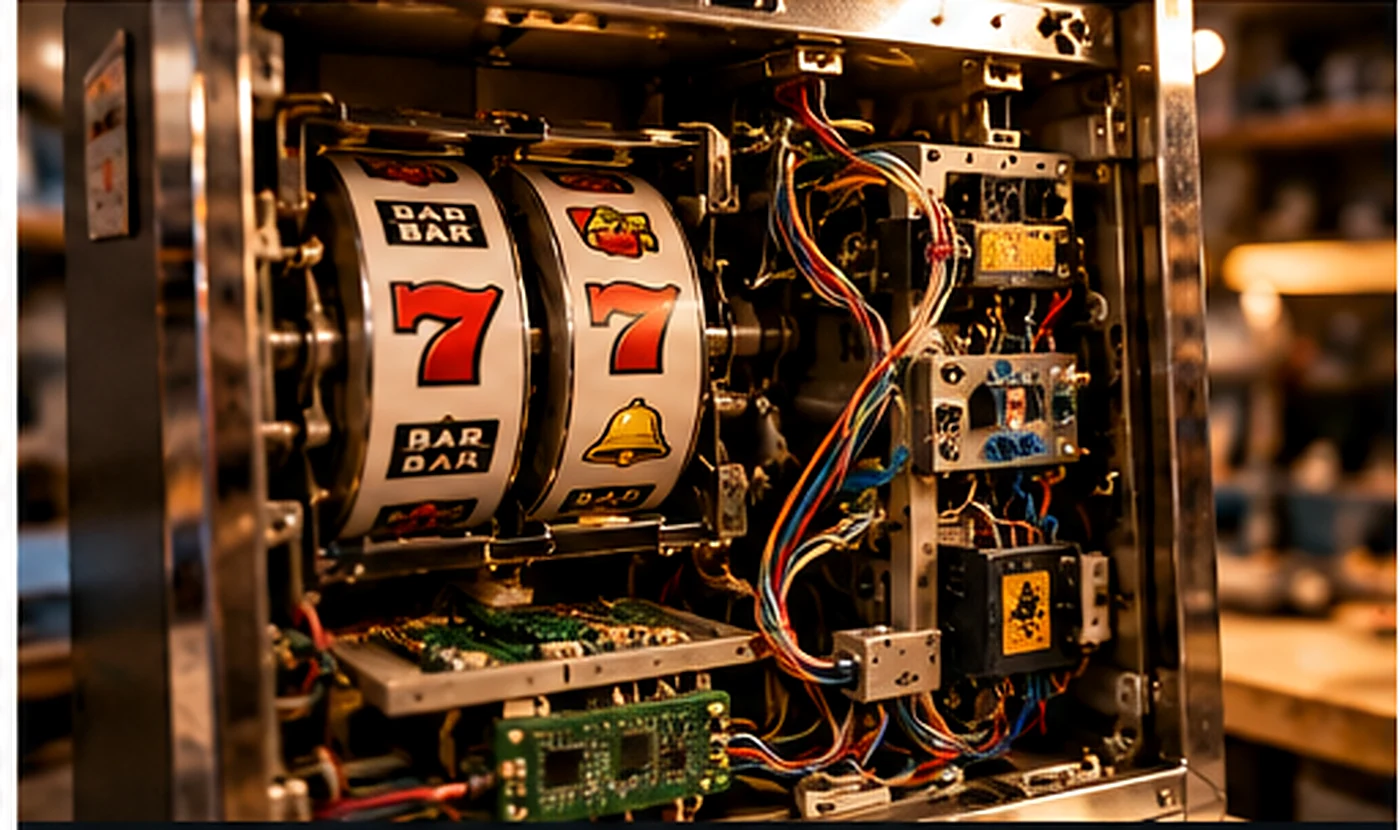
3. Mechanical or electronic internals
Cycle the mechanism repeatedly and watch for hesitation, rubbing, weak return springs or alignment problems. On older machines, originality and repairability depend on small model-specific parts, so photograph the mechanism before disassembly and bag every removed fastener.
4. Cold-start video
Treat stock photos as advertising, not inspection evidence. You want current images, serial labels, cabinet corners, internals and a cold-start demonstration that proves the listing and the physical machine are the same item.
5. Controls and sound
Work through controls and sound with the exact cabinet in front of you. Separate what the seller says from what you can document, and do not let a cosmetic first impression override serviceability, legal due diligence or total cost.
6. Keys and accessories
A missing key is not always a five-dollar problem. Confirm how many locks the machine has, whether they are keyed alike and whether replacements are documented for that model before assuming the cabinet will be easy to open.
Related resources
Affiliate disclosure: qualifying purchases through some merchant links may generate a commission. Recommendations remain editorially independent.