
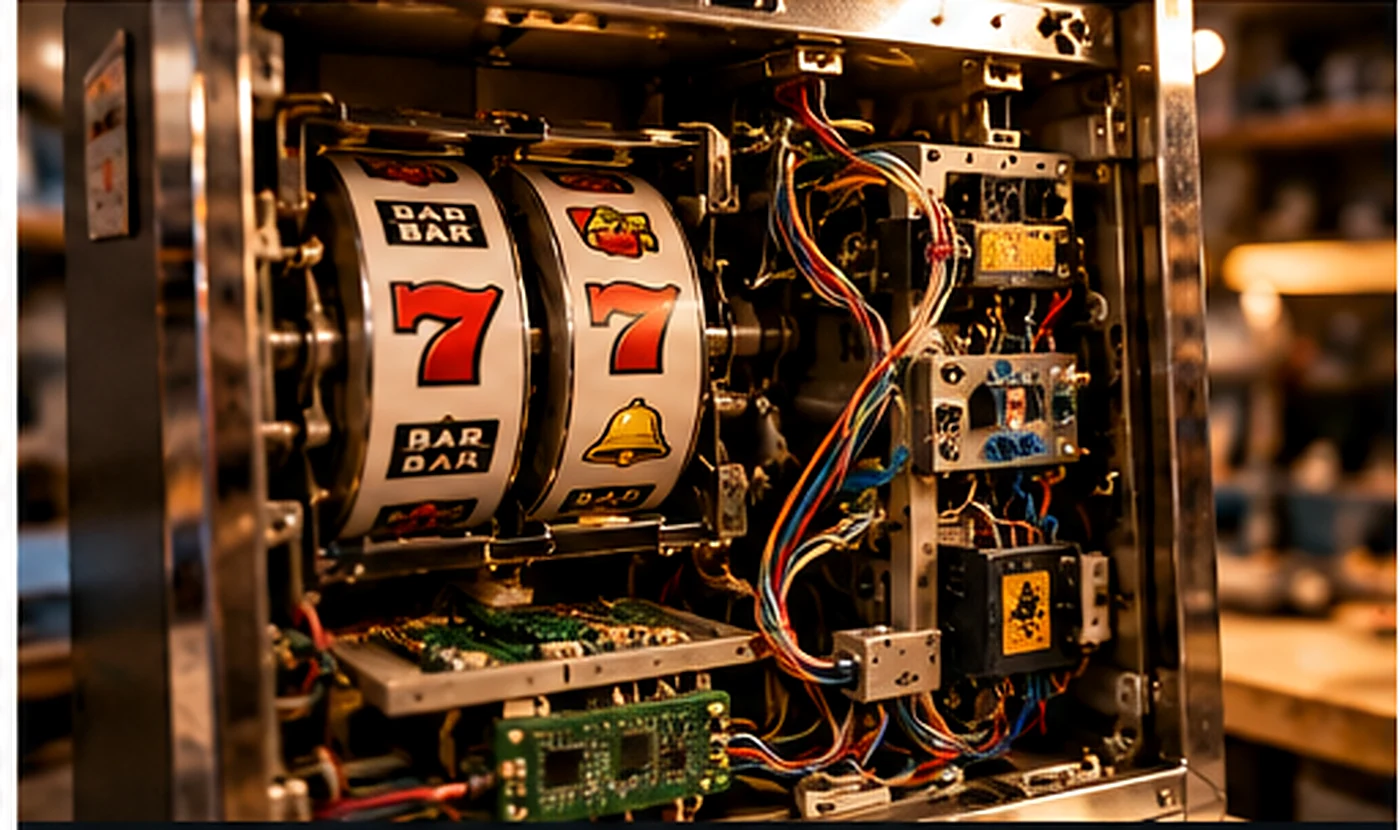
Private slot-machine ownership is a legal and practical question before it is a decorating decision. Laws can distinguish possession, sale, transport and operation, and an antique exception in one jurisdiction may not exist in another.
1. Document first
Treat document first as a specific inspection item rather than a box to tick. Verify it on the exact machine, photograph what you find, and include any missing parts or uncertainty in the delivered-cost and repair decision.
2. Unplug before inspection
Make unplug before inspection part of the written buying file. Record the evidence, note anything that still needs confirmation and decide in advance what finding would make you renegotiate or walk away.
3. Avoid indiscriminate lubricant
Work through avoid indiscriminate lubricant with the exact cabinet in front of you. Separate what the seller says from what you can document, and do not let a cosmetic first impression override serviceability, legal due diligence or total cost.
4. Preserve labels and finishes
Photograph the maker plate, model identifiers, serial labels and any date-coded components before relying on an age claim. Cosmetic styling can be reproduced, while labels and mechanism details give you a much stronger trail for research.
5. Use qualified electrical help
Read the nameplate before connecting power, inspect the cord and inlet, and stop if you find heat damage, exposed conductors or battery leakage. Modern slot hardware can contain model-specific electronics that deserve qualified repair rather than trial-and-error substitution.
6. Test one system at a time
Treat test one system at a time as a specific inspection item rather than a box to tick. Verify it on the exact machine, photograph what you find, and include any missing parts or uncertainty in the delivered-cost and repair decision.
Related resources
Affiliate disclosure: qualifying purchases through some merchant links may generate a commission. Recommendations remain editorially independent.