Define the purpose before bidding
A donor machine makes sense when you already own a compatible platform and need known parts. It is much riskier when the plan is simply to make an unknown project complete later.
Write down the exact components you need and their part numbers. Compatibility within a manufacturer can still vary by cabinet generation, software and harness.
Missing cosmetic pieces add up
Doors, bezels, trim, glass, button panels and toppers can be surprisingly difficult to replace with the correct finish. A cabinet that looks mostly complete in a dark photo may be missing dozens of small pieces.
If cosmetic originality matters, price those pieces before deciding the project is cheap.
Electronic unknowns are multiplicative
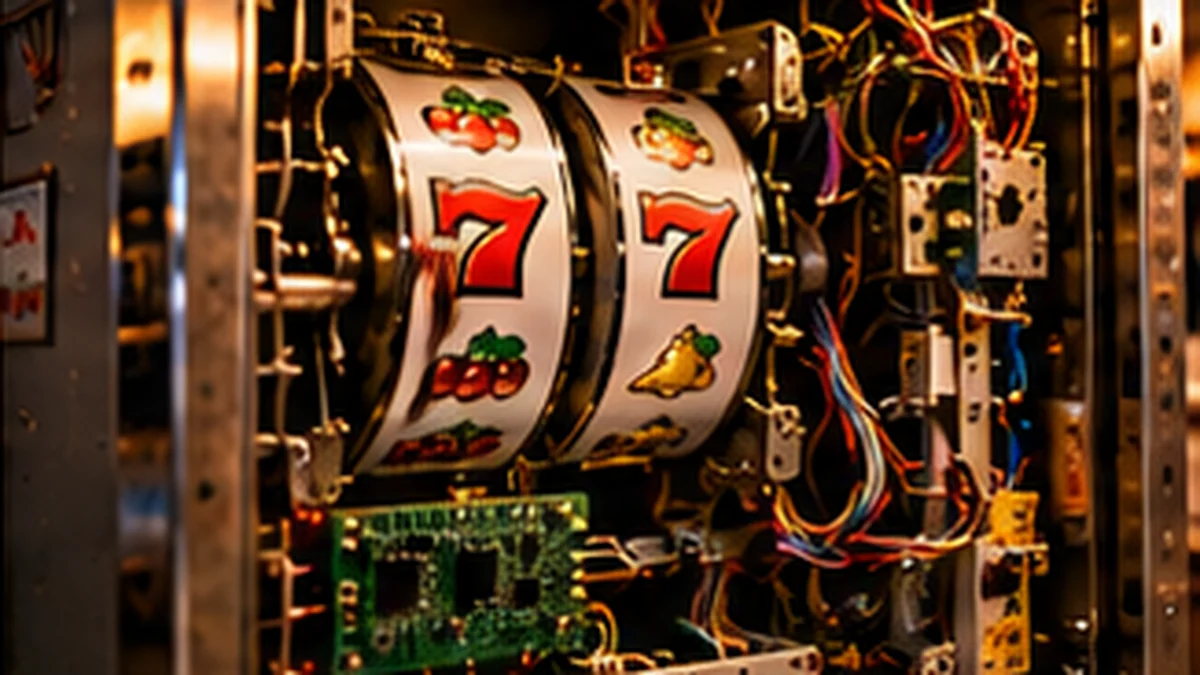
One dead board is a repair. An unknown board, unknown display and unknown power supply create several interacting variables. That is why “untested” should be valued as uncertainty rather than quietly translated into “probably works.”
When a donor is smart
A donor is strongest when it has verified compatible assemblies, good cabinet hardware and a purchase price that still makes sense after transport. Local pickup can matter because freight can erase the economics of buying a second heavy cabinet.
Complete machines buy you information
A documented working machine costs more partly because you are buying evidence: boot video, known configuration, keys, displays and a baseline. For a first machine, that information is often worth more than the apparent savings of a project.
See current marketplace examples
Use listings to study cabinet styles, parts availability and seller documentation. A listing is not proof of legality, compatibility or condition.
Search eBay examples →Related resources
Affiliate disclosure: qualifying purchases through some merchant links may generate a commission. Marketplace listings are third-party seller claims; verify condition, compatibility and legality independently.